
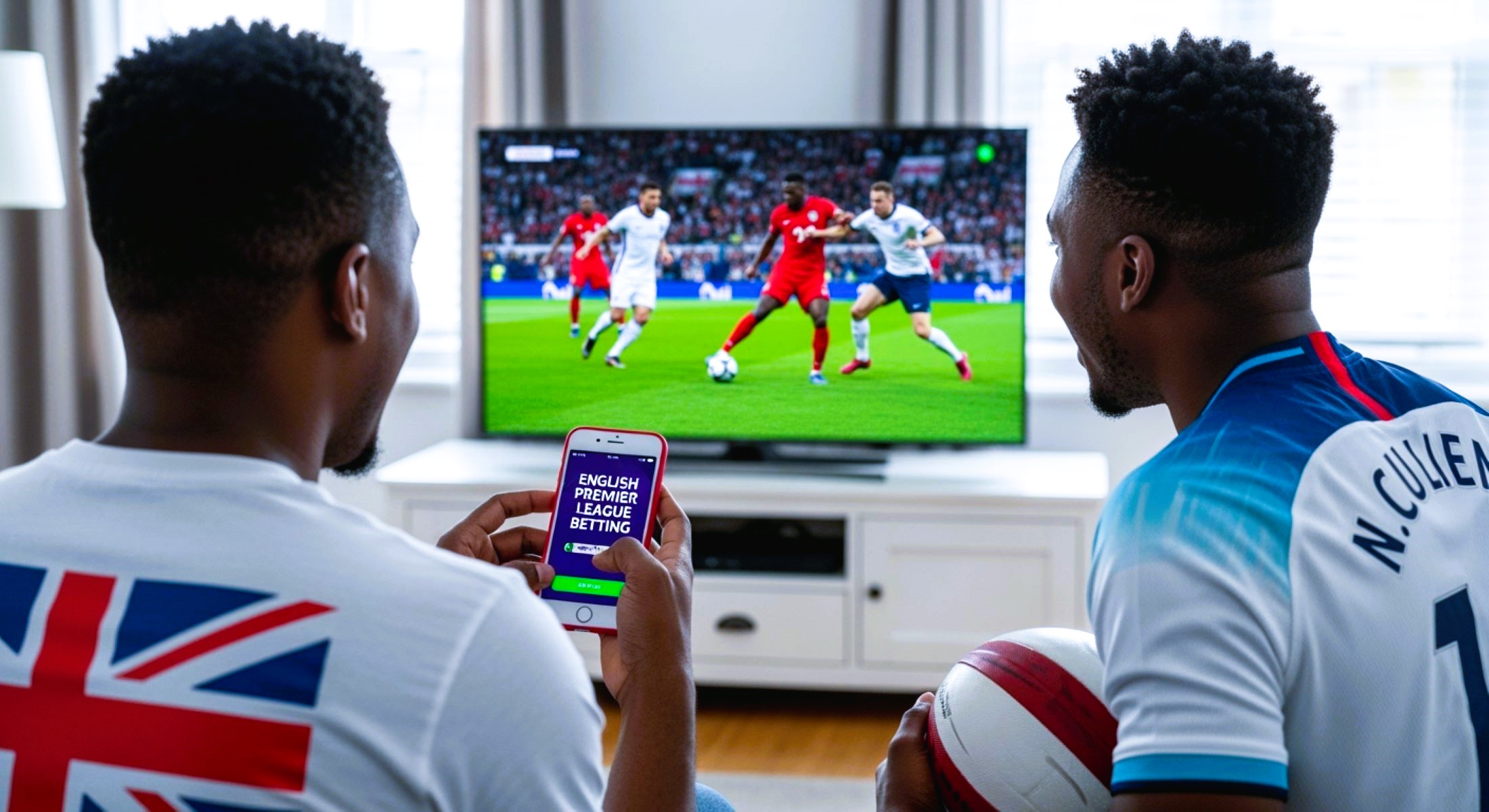
Let’s be honest—when you think of South African football fans, chances are you imagine vuvuzelas, packed stadiums, and people passionately cheering. But if you dive deeper, you’ll find that the real obsession isn’t just local leagues—it’s the English Premier League. South Africans are absolutely hooked on it. From Cape Town to Johannesburg, Durban to Bloemfontein, you’ll hear passionate debates about Manchester United vs. Liverpool or whether Arsenal can finally reclaim the title. But why is the English Premier League so popular in South Africa? What makes a league based thousands of kilometers away resonate so deeply in a completely different part of the world? Grab your jersey, because we’re about to unpack this love affair.
A Brief Background on the EPL Craze in South Africa
South Africa’s deep-rooted fascination with the English Premier League stretches back further than most people realize. During the colonial era, when British influence was strong in the region, football was introduced as a recreational sport by British soldiers and settlers. Over time, this “imported game” took firm hold across the country. It quickly spread from the military barracks to local communities, where it became a source of entertainment, competition, and pride. Even as South African football leagues developed, many fans maintained a strong attachment to English clubs, largely because of the longstanding historical and cultural connection to the UK.
As satellite TV arrived in the late 20th century, the relationship intensified. With the rise of broadcasters like SuperSport, South Africans could now watch the English Premier League live from their living rooms every weekend. This access created a ritualistic culture around match days. Fans began to follow their favorite teams religiously, developing fierce loyalties that have lasted for generations. Some families even passed down club allegiances, much like traditions or family recipes. Supporting Manchester United or Arsenal became more than just a pastime—it was an inherited identity.
In addition to accessibility, the style and quality of football in the English Premier League helped cement its place in the hearts of South African fans. Compared to many local leagues, the EPL offered a faster, more polished, and commercially appealing product. The star power of global icons like Thierry Henry, Cristiano Ronaldo, and Steven Gerrard drew in viewers who were hungry for high-level entertainment. The drama, the packed stadiums, the rivalries—it was cinematic football, and South Africans couldn’t get enough of it.
Today, the craze has evolved beyond just viewership. You’ll find EPL jerseys in rural towns and big cities alike, fantasy football leagues played in offices, and betting slips featuring EPL odds in countless pockets. The league has penetrated every level of society—from casual fans who only tune in for big matches, to hardcore supporters who track every transfer window and injury update. It’s no exaggeration to say that for many South Africans, the English Premier League isn’t just football—it’s a way of life.
Shared Colonial Legacy: The Historical Connection
- The roots of South Africa’s love for football can be traced directly to British colonial influence. When the British ruled parts of South Africa in the 19th and early 20th centuries, they brought along more than just governance—they introduced cultural staples like cricket, rugby, and most importantly, football.
- Football was originally played by British soldiers, colonial administrators, and settlers. The game then slowly spread into local communities, schools, and military bases, eventually becoming one of the most popular sports across the country.
- By the early 20th century, South African football clubs and leagues had formed, many of which followed English club structures and rules. This imitation of the English style created a deep familiarity and admiration for the English football system.
- As the English football league gained popularity globally in the decades following World War II, South Africans remained highly tuned into the developments. Even before official TV broadcasts were available, fans would read newspaper updates or listen to radio coverage to follow English teams.
- When the English football league transformed into the modern English Premier League in 1992, South Africans were already well aware of the major clubs and had longstanding emotional ties to them. This transformation only deepened their interest.
- Teams like Manchester United, Liverpool, Arsenal, and Chelsea became household names in South Africa. These weren’t just foreign clubs—they became family traditions. Fathers passed down club allegiances to their sons and daughters, often along with stories of legendary matches or iconic players.
- The connection wasn’t just emotional. Many South African fans felt a cultural closeness to the UK, largely due to language, shared sports heritage, and even similar institutional structures. This made it easier for them to follow, understand, and embrace the English Premier League.
- The passion for these clubs extended beyond matchdays. Fans would wear team jerseys to school, paint walls with club logos, and celebrate victories as if they were their own. The cultural bond with English football became part of South Africa’s sports identity.
Premier League Matches Are Everywhere in South Africa
| Platform/Service | What It Offers | Match Coverage | Language Options | Device Compatibility |
| SuperSport (DStv) | Premier sports broadcaster in Africa | All live matches, pre/post-game analysis | English (with Zulu, Xhosa in some cases) | TV, DStv decoders |
| DStv App / DStv Now | Streaming platform for DStv subscribers | Live games, match replays, highlights | English + local language commentary | Android, iOS, Web browsers |
| Showmax Pro | On-demand streaming with sports add-on | EPL live stream, extended coverage | English | Smart TVs, phones, tablets, PCs |
| Community Viewing | Local pubs, shisanyamas, sports bars | Group viewing of live EPL broadcasts | Depends on the channel used (usually English) | Televisions with satellite or streaming |
| EPL Radio & Recaps | Sports radio stations & YouTube content creators | Audio commentary, post-match discussions | Mostly English, with local language shows | Radios, YouTube, podcasts, smartphones |
The Time Zone Advantage: Perfect Match Timings
One of the most underrated reasons for the English Premier League’s popularity in South Africa is simply the timing. South Africa shares a similar time zone with the UK, which means fans can enjoy live matches at the most convenient hours. Unlike football enthusiasts in Asia or Australia—who often have to wake up in the middle of the night to catch live games—South Africans get to watch matches during the late afternoon or evening, right when people are winding down after work or enjoying their weekends.
This perfect timing turns EPL matchdays into full-on social events. Saturday and Sunday afternoons are already prime leisure hours in South Africa, and EPL games fit naturally into that rhythm. For many fans, watching a match isn’t just an activity—it’s part of a routine. People plan their day around kickoff times, and it’s common for families or groups of friends to gather for the occasion. Whether it’s a big match between Manchester City and Arsenal or a relegation fight between smaller clubs, the timing ensures maximum engagement and participation.
What’s more, the local tradition of braaing (barbecuing) fits perfectly into the EPL schedule. Imagine this: the coals are hot, the meat is sizzling, drinks are flowing, and everyone is gathered around a big screen to watch the latest clash in the Premier League. It creates a community-driven viewing culture where football becomes the centerpiece of social bonding. These moments strengthen the emotional ties fans have to their teams, making the EPL not just entertainment—but an integral part of weekend culture.
Even during the week, South Africans can enjoy evening games without it interfering too much with daily responsibilities. Midweek fixtures often kick off around 9 PM local time, giving fans enough time to wrap up work, have dinner, and settle in to watch. The ease with which the match schedule fits into the South African lifestyle is one of the key reasons why the English Premier League maintains such a strong and consistent following throughout the country.
South Africans Love Betting—And the EPL Is Perfect for That
- Sports betting is woven into the fabric of modern entertainment in South Africa, and the English Premier League sits at the very top of the betting hierarchy. The league’s global appeal, predictable schedule, and huge number of fixtures make it a dream for punters who want action almost every day of the week.
- One of the key attractions for South African bettors is the sheer variety of betting markets offered per EPL match. It’s not just about who wins or loses. You can place bets on the number of goals, both teams to score, yellow cards, red cards, corners, halftime scores, goal scorers, correct scores, and even unusual outcomes like who will win the first throw-in or which manager will be booked. This variety means there’s always something interesting to bet on, no matter how familiar you are with the teams.
- Betting isn’t limited to desktops either. South Africa’s mobile-first audience has fully embraced mobile sports betting apps, allowing people to place wagers while commuting, at social gatherings, or even while watching games live in pubs or at home. The experience is fast, interactive, and often enhanced by real-time odds updates, push notifications, and live stats that keep fans engaged minute-by-minute.
- Hollywoodbets is one of the biggest and most trusted platforms in the country. It’s known for its user-friendly mobile app, deep coverage of EPL fixtures, and strong presence in both digital and physical locations like betting kiosks.
- Betway South Africa is another top contender in the market. It offers competitive odds, regular promotions, cash-out options, and a smooth betting experience that appeals to both beginners and seasoned bettors alike.
- Sportingbet has carved out a niche with its live betting features, allowing fans to place bets while the game is in progress. This adds another layer of thrill, especially when watching closely and predicting momentum shifts in real-time.
- Supabets is known for pushing the envelope with unique prop bets, giving bettors access to markets they won’t find anywhere else. Whether it’s wagering on the number of offsides or the exact minute of the first goal, Supabets adds creativity and fun to traditional betting formats.
Iconic Clubs With Global Appeal
| Club Name | Key Historical Highlights | Playing Style & Identity | Why South Africans Love Them | Notable South African Connections |
| Manchester United | Dominated under Sir Alex Ferguson with 13 league titles; won multiple Champions League trophies | Attacking, dynamic, and resilient | Known for legendary comebacks, iconic players like Eric Cantona, and a strong winning culture | Former players like Benni McCarthy are linked with the club |
| Liverpool | Historic club with 19 league titles and 6 European Cups; famous “You’ll Never Walk Alone” anthem | High-energy pressing, attacking flair | Emotional connection through passion and the anthem; Klopp’s modern success rekindled love | Strong fan community in South Africa, vocal support |
| Arsenal | Famous for the ‘Invincibles’ unbeaten season (2003-04); stylish, technical football | Fluid, possession-based attacking style | Known for elegance and youth development; nostalgia for legends like Thierry Henry | Arsenal jerseys widely popular among youth |
| Chelsea | Rose to prominence under Mourinho; multiple Premier League and Champions League titles | Tactical discipline, strong defense, counterattack | Became cool during Mourinho era; glamour signings and silverware made them fan favorites | Chelsea fan clubs growing in urban areas |
| Manchester City | Recent powerhouse with multiple league titles since 2012; innovative, attacking football | Fast-paced, possession-heavy, goal scoring | New era dominance with exciting players appeals to younger fans | Rising interest among South African youth |
Media Hype and Social Media Engagement
In South Africa, the buzz around the English Premier League is impossible to miss, especially on social media platforms like Twitter, Instagram, and Facebook. Hashtags such as #EPL, #MUFC (Manchester United), and #Gunners (Arsenal) frequently dominate trending topics, reflecting how deeply embedded the league is in the country’s online conversations. This constant stream of content fuels enthusiasm and keeps fans connected to every twist and turn of the season. Whether it’s match previews, injury updates, or transfer rumors, the digital space is alive with passionate discussions, making the EPL a daily topic of interest.
Local media outlets also play a huge role in amplifying the EPL craze. Sports channels and websites provide detailed pre-match and post-match analyses that go beyond just scores and statistics. These programs delve into tactical breakdowns, player performances, and even controversies, helping fans understand the finer points of the game. This kind of expert insight not only educates viewers but also sparks lively debates and predictions among the fanbase, turning casual watchers into informed supporters.
Beyond serious analysis, humor and banter thrive across social media in South Africa. Memes, jokes, and playful teasing between rival fan groups add a fun, relatable element to following the EPL. The lighthearted online atmosphere creates a sense of community and camaraderie, where fans bond over shared emotions—whether celebrating a stunning goal or lamenting a disappointing defeat. This mix of entertainment and engagement helps keep interest high, even during quieter parts of the season.
Additionally, many online platforms host EPL prediction leagues and virtual fan zones where supporters can join contests, share opinions, and interact with others who support the same clubs. These interactive features deepen fans’ connection to the league, giving them a sense of involvement beyond just watching the matches. In essence, the combination of media hype and social media engagement has turned following the English Premier League into an immersive cultural experience for South Africans, where every game feels like a shared event.